
In mechanical engineering, couplings are vital components that ensure seamless connection between rotating shafts. They are designed to transmit power, accommodate misalignment, and minimize mechanical wear in industrial systems.
Whether in manufacturing plants, automotive industries, or heavy machinery, couplings play a crucial role in maintaining smooth and efficient operations. This blog will help you understand couplings, their types, benefits, and how to select the right one for your needs.
What Are Couplings?
A coupling is a mechanical device that connects two shafts to transmit power while allowing for some degree of misalignment or movement. Couplings serve three primary purposes:
Power Transmission: Transfer torque from one shaft to another.
Misalignment Compensation: Handle angular, parallel, or axial misalignment.
Shock Absorption: Dampen vibration and reduce mechanical stress.
Couplings can be rigid or flexible depending on the application.
Types of Couplings
There are several types of couplings, each designed for specific functions and industries:
1. Rigid Couplings:
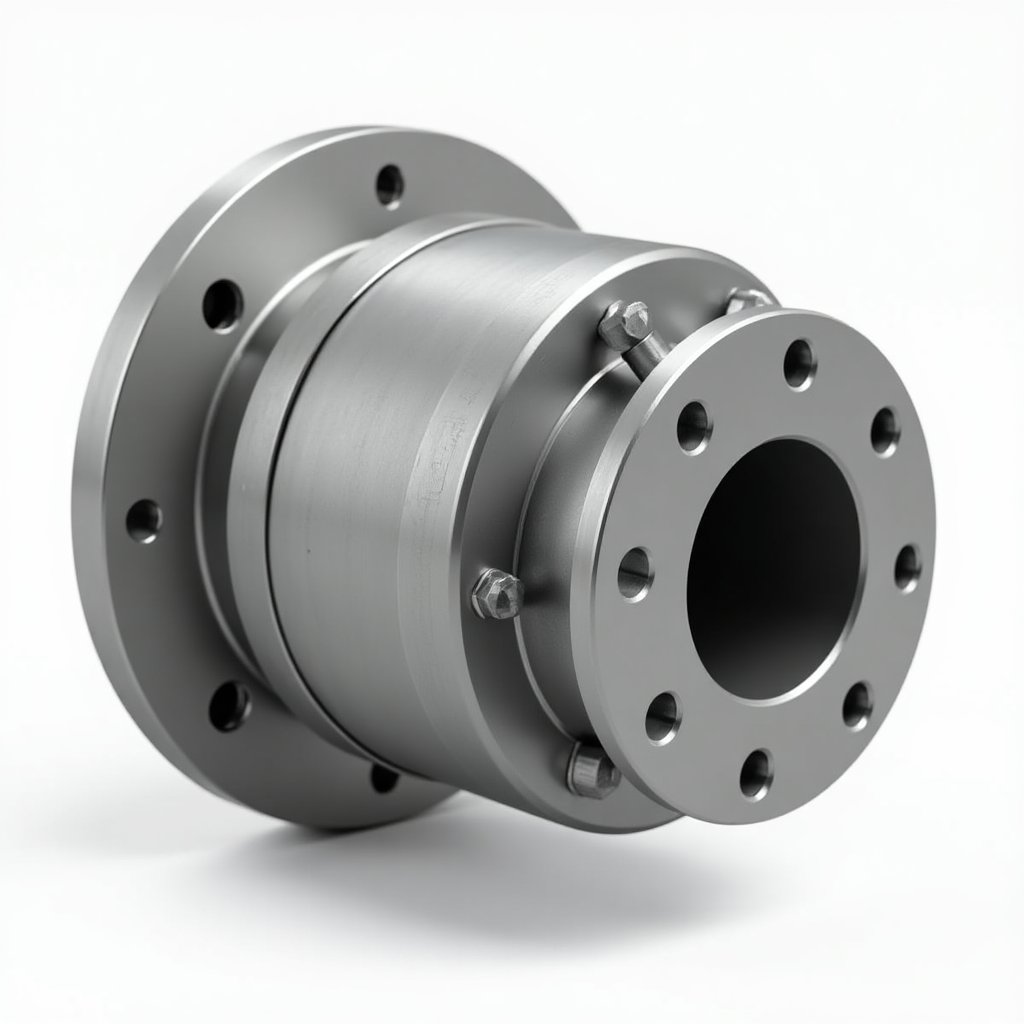
These couplings connect shafts in precise alignment and are ideal for applications with minimal misalignment. Common examples include sleeve couplings and flange couplings.
2. Flexible Couplings:
Flexible couplings can accommodate slight misalignments and vibrations. They include:
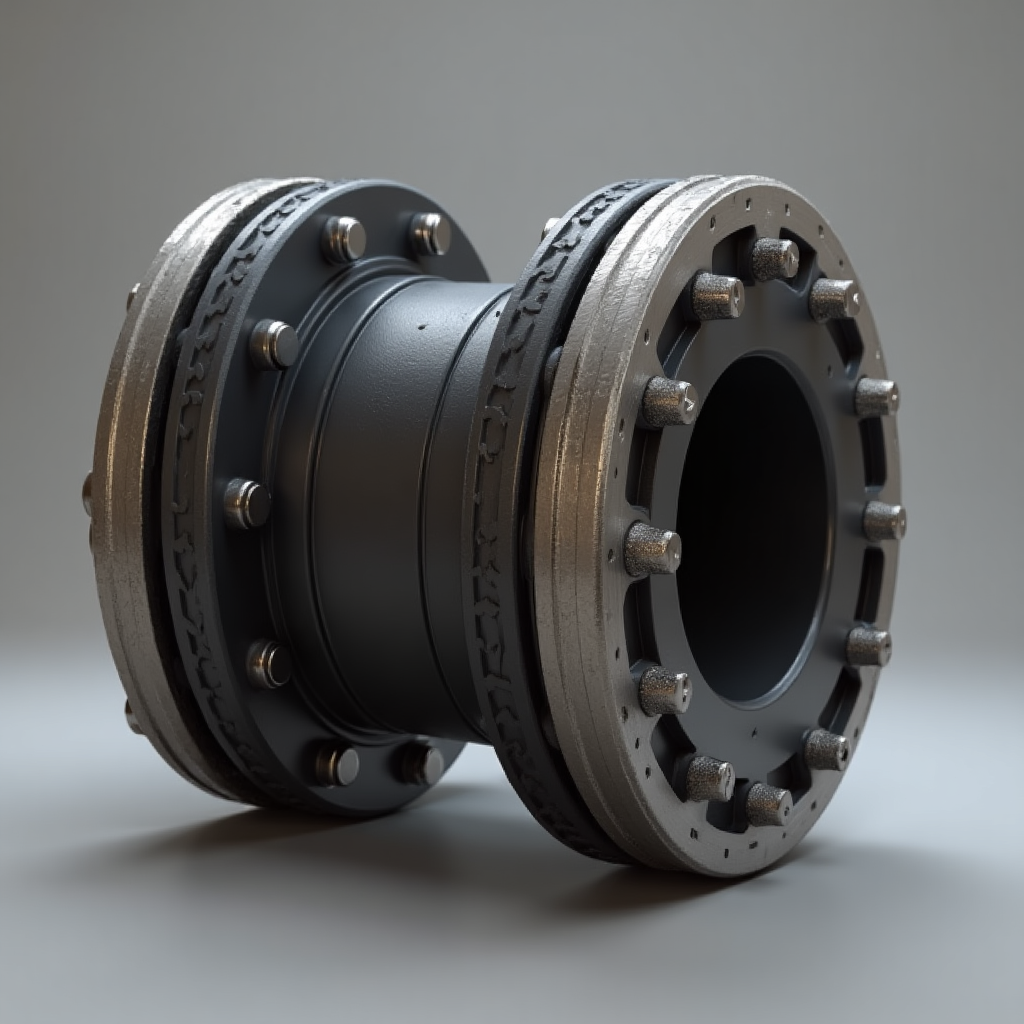
Tyre Couplings: Made from rubber or elastomer for flexibility.
Fluid Couplings: Use hydraulic fluid for smooth torque transmission.
Gear Couplings: Handle high torque loads with slight flexibility.
3. Universal Joints (UJ Couplings):
Used in applications with high angular misalignment, such as automotive driveshafts.
4. Oldham Couplings:
Specialized for low-torque, precise positioning in light machinery.
Benefits of Using Couplings
1. Efficient Power Transmission:
Couplings ensure consistent and reliable torque transfer between shafts.
2. Shock Absorption:
They absorb shocks and dampen vibrations, preventing machinery damage.
3. Accommodate Misalignment:
Couplings can compensate for minor misalignments, reducing wear on bearings and seals.
4. Simplified Maintenance:
Easy to install and remove, couplings make routine maintenance more convenient.
5. Increased Machinery Lifespan:
By reducing stress on components, couplings extend the lifespan of mechanical systems.
Common Applications of Couplings
Couplings are integral to various industries and systems, such as:
Automotive Industry: Used in vehicle drive shafts and steering columns.
Manufacturing Plants: Connects motors to conveyors, pumps, and compressors.
Mining and Construction: Handles high-torque operations in crushers and heavy machinery.
Power Plants: Used in turbines and generators for stable shaft connections.
HVAC Systems: Ensures smooth operation of fans and pumps.
How to Select the Right Coupling
Choosing the appropriate coupling depends on several key factors:
Torque Rating: Ensure the coupling can handle the required torque without failure.
Type of Misalignment: Determine the degree of angular, parallel, or axial misalignment in your system.
Operational Speed: Choose a coupling rated for the speed of your application.
Environmental Conditions: Consider temperature, moisture, and potential chemical exposure.
Maintenance Requirements: Select couplings with easy maintenance if frequent servicing is needed.
Recent Innovations in Coupling Technology
With advancements in materials and manufacturing, modern couplings now offer higher efficiency and greater durability. Key innovations include:
Composite Materials: Lightweight yet strong couplings for energy-saving operations.
Self-Lubricating Designs: Reduce maintenance costs and extend operational life.
Smart Monitoring Systems: Sensors integrated into couplings for real-time torque, speed, and temperature monitoring.
These innovations help industries boost productivity, reduce downtime, and improve safety.
Conclusion
Couplings are essential components in mechanical systems, providing smooth power transmission, vibration damping, and misalignment compensation. Whether you need rigid strength or flexible adaptability, choosing the right coupling can significantly improve your equipment’s performance.
By understanding your machinery’s specific needs and keeping up with technological advancements, you can maximize operational efficiency and extend the lifespan of your mechanical systems.







Write a comment ...